Nordic Oversight Shapes Real-Time Analytics Tools for Card and Track Events on Portable Platforms
Dana Fischer · Nov 12, 2026

Nordic Oversight Shapes Real-Time Analytics Tools for Card and Track Events on Portable Platforms
Regulatory frameworks across Nordic countries continue to drive innovation in real-time analytics platforms designed for card games and track events accessed through mobile devices, with data from November 2026 showing increased integration of compliance monitoring features into operator systems. These systems track player behavior, transaction patterns, and event outcomes in live environments, allowing operators to meet strict reporting standards while maintaining service delivery on handheld platforms.
Regulatory Foundations Across the Region
Nordic authorities in Sweden, Denmark, and Norway have established licensing conditions that require continuous data collection and analysis for card-based activities such as poker and blackjack alongside track events including horse and greyhound racing, and developers have responded by building modular analytics engines that process streams from portable applications in near real time. Operators must demonstrate the ability to flag irregular patterns within seconds of occurrence, which has led software providers to incorporate machine learning models trained on historical betting data combined with live feeds from game servers.
Those who manage compliance at major platforms note that the emphasis on portable access has accelerated the shift from batch processing to event-driven architectures, where each wager or outcome triggers immediate evaluation against predefined risk thresholds. This approach aligns with broader European Union directives on digital services, yet Nordic implementations add layers of specificity around responsible gaming metrics and market integrity checks that go beyond general data protection rules.
Technical Adaptations for Mobile Environments
Analytics tools now embed lightweight monitoring agents directly into mobile applications, enabling operators to capture granular details such as session duration, bet frequency, and device location without requiring constant server round-trips that could degrade user experience on variable network connections. Card game modules focus on sequence analysis to detect collusion signals or automated play, while track event components monitor odds movement and pool liquidity in real time to identify potential manipulation attempts.
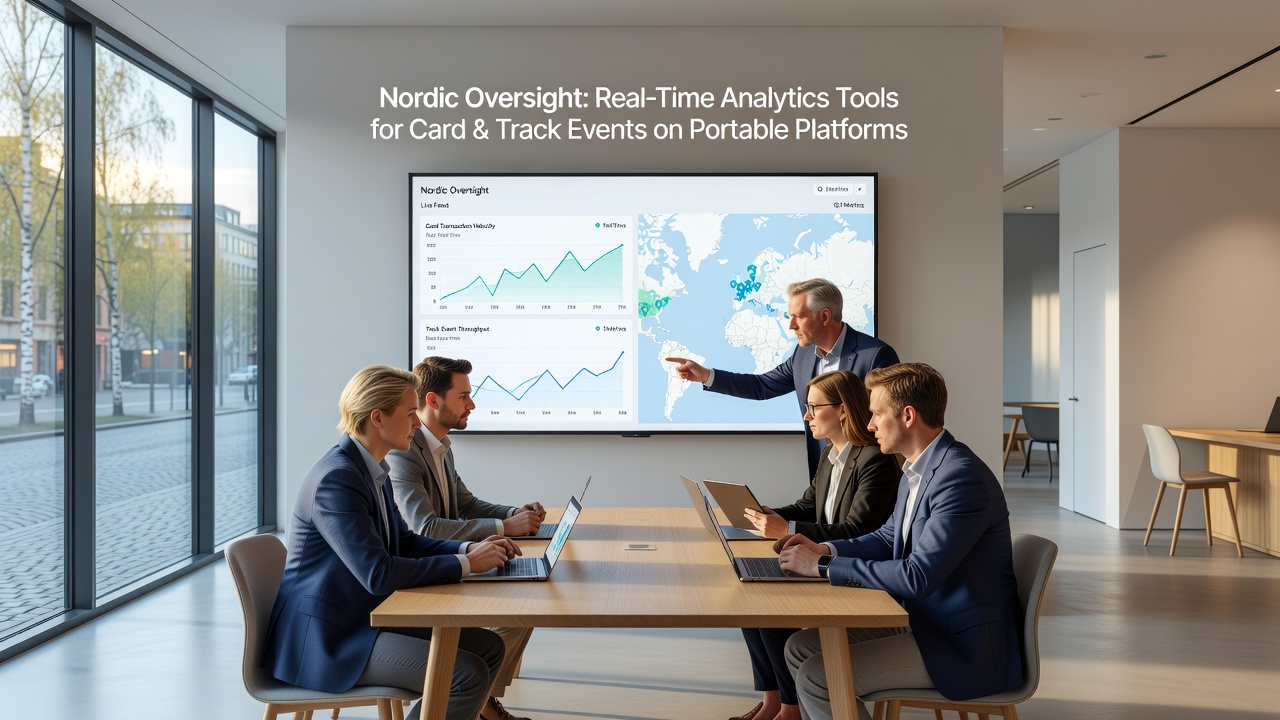
Integration with existing gaming engines allows these tools to operate across both native iOS and Android builds as well as progressive web applications, ensuring consistent oversight regardless of the delivery method chosen by users. Research conducted by institutions in multiple regions, including reports referenced by the European Commission, highlights how such architectures reduce latency in compliance reporting while preserving the responsiveness expected in live card and racing formats.
Case Examples from Licensed Operators
One operator licensed in Denmark implemented a unified analytics layer in early 2026 that combined card game telemetry with track event data streams, resulting in automated alerts sent to regulatory dashboards within regulatory timeframes. Another platform serving the Norwegian market adapted its mobile interface to include optional transparency features that display aggregated risk indicators to users, a step taken to align with evolving expectations around player information access.
Figures released in November 2026 by industry monitoring groups indicate that platforms incorporating these Nordic-mandated analytics features reported fewer compliance incidents compared with earlier versions lacking real-time capabilities. The adaptations have also influenced product roadmaps at several technology vendors, who now prioritize cross-border compatibility to serve operators holding multiple Nordic licenses.
Broader Industry Implications
Developers working on portable platforms have observed that the need for rapid data validation has encouraged greater use of edge computing resources on user devices, which helps distribute processing load while still feeding central oversight systems with required metrics. This distributed model supports both card game integrity checks and track event settlement verification without creating bottlenecks during peak usage periods common in major racing meets.
According to data compiled by the Australian Gambling Research Centre, similar regulatory pressures in other jurisdictions have produced parallel tool developments, yet Nordic specifications remain distinctive in their focus on combined card and track monitoring within single mobile sessions. Observers note that these requirements continue to shape vendor selection processes, with operators favoring providers who can demonstrate audit-ready logging across both game categories.
Conclusion
The interplay between Nordic oversight mechanisms and real-time analytics development has produced measurable changes in how card and track events are managed on portable platforms, with ongoing refinements expected as new licensing cycles begin. Data patterns from late 2026 suggest sustained investment in these tools will remain a priority for operators seeking to maintain compliance across the region.