Sweden's Regulatory Framework and Its Influence on Hybrid Mobile Wagering Across Racing, Poker, and Casino Formats
Dana Fischer · Sep 3, 2026
Sweden's Regulatory Framework and Its Influence on Hybrid Mobile Wagering Across Racing, Poker, and Casino Formats
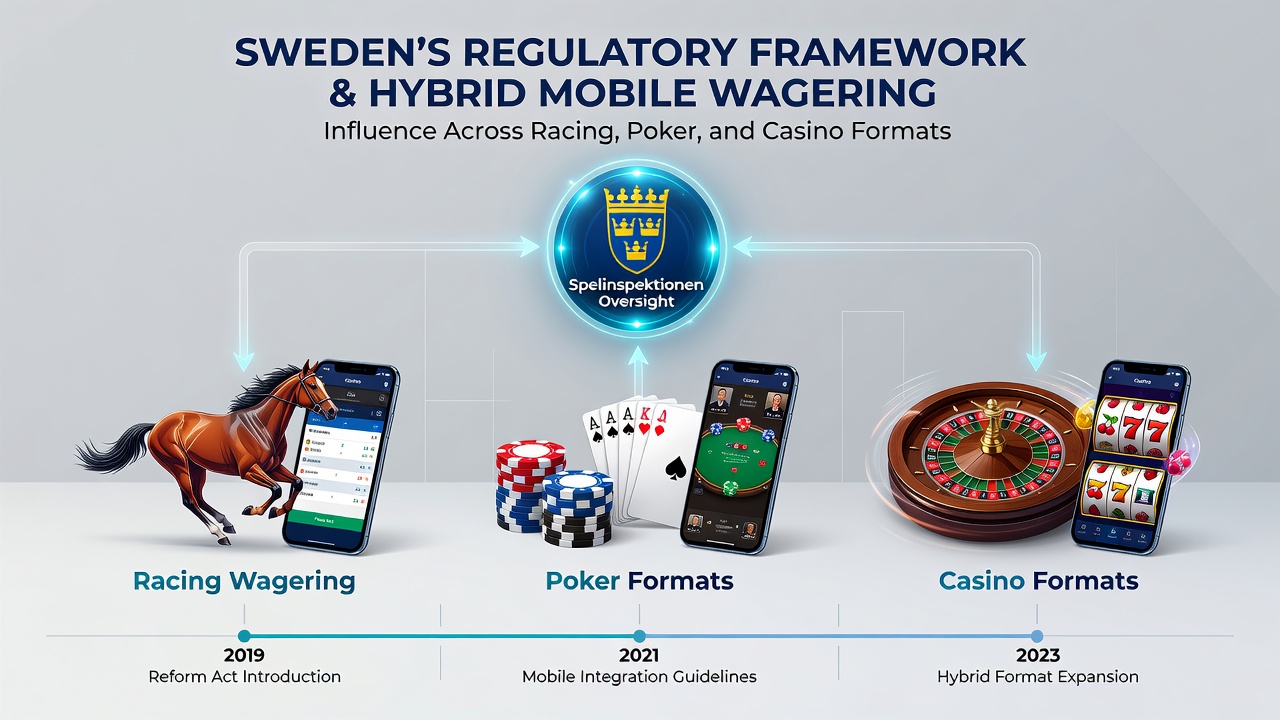
Sweden introduced a re-regulated gambling market in 2019 that brought all major betting and gaming activities under the oversight of the Swedish Gambling Authority, and this structure continues to shape how operators deliver hybrid mobile wagering options across racing, poker, and casino products.
Core Elements of the Licensing System
The licensing model requires every operator targeting Swedish customers to hold a local permit, comply with strict responsible gambling rules, and pay a 18 percent tax on gross gaming revenue, while the authority maintains real-time monitoring of player accounts and transaction flows.
Operators must integrate tools such as deposit limits, loss limits, and self-exclusion registers directly into their mobile applications, and these requirements apply equally to racing bets placed during live trotting events, poker tournaments hosted on digital tables, and casino games that run on the same platforms.
Mobile Wagering in Racing Formats
Racing betting, particularly on Swedish trotting and gallop events, has shifted almost entirely to mobile channels where users can place bets through licensed apps that combine live odds with video streams, and the regulatory rules ensure that all such activity routes through verified Swedish player accounts.
Data collected by the authority shows that mobile racing wagers now account for the majority of turnover in this vertical, largely because the licensing conditions allow operators to offer combined pools that mix domestic races with selected international events while maintaining full tax compliance.
Poker and Casino Integration Under the Same Rules
Poker rooms operating under Swedish licenses must separate player funds, enforce age verification at the point of registration, and prevent multi-accounting, yet the same regulatory framework permits these rooms to sit alongside casino slots and table games within a single mobile application.
This hybrid structure lets users move between poker tables and casino titles without leaving the licensed environment, and the authority's technical standards require continuous logging of every hand and spin so that any suspicious pattern can be flagged automatically.
Cross-Format Player Protection Measures
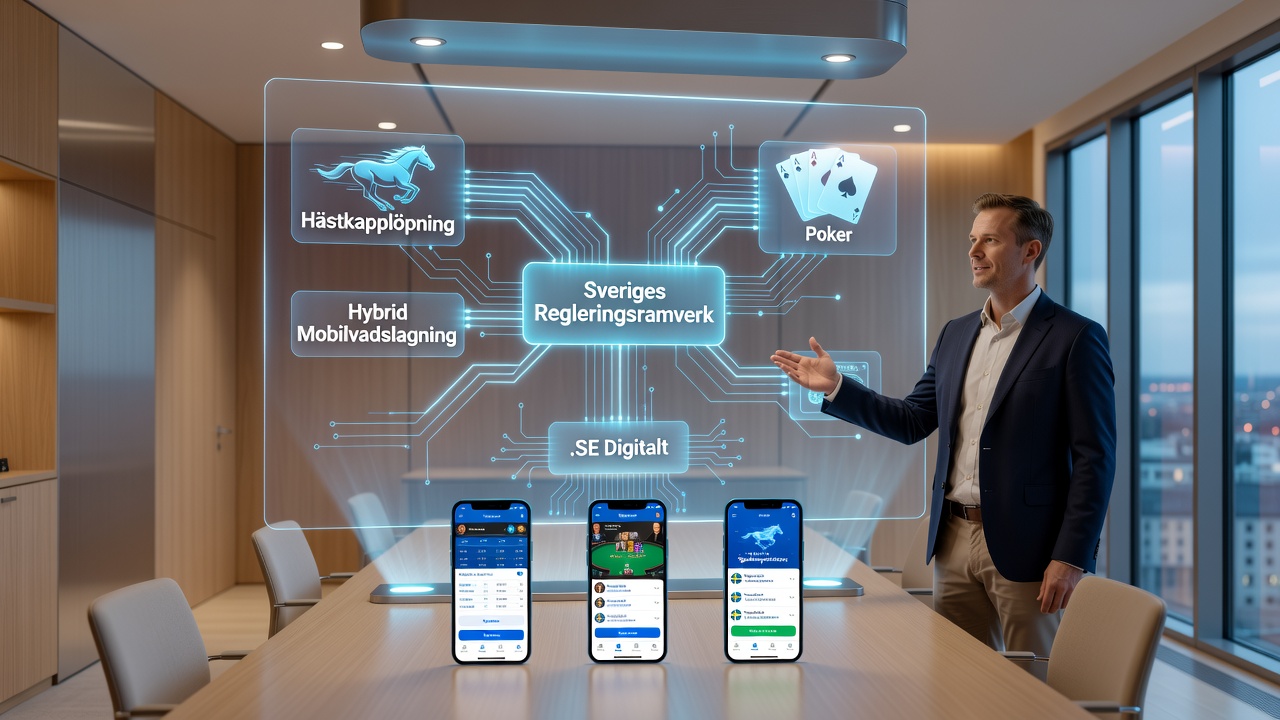
Every licensed app must display a unified gambling history that covers racing, poker, and casino activity in one view, and players receive mandatory pop-up messages when they approach their personal spending limits regardless of which product they are using at that moment.
Research compiled by OECD health and gambling studies indicates that centralized player tracking of this kind reduces the incidence of excessive play across multiple game types, and Swedish operators have adopted these tools as standard features.
Market Data and Channel Shifts
Figures released by the Swedish Gambling Authority reveal that mobile devices now generate more than 85 percent of total online gambling revenue, with racing bets, poker rake, and casino game turnover all migrating to the same applications because the licensing conditions favor unified platforms over separate vertical sites.
Operators report that users often start with a quick racing bet during an evening trotting meeting, then switch to poker or casino sessions within the same session, and the regulatory requirement for a single account makes such movement seamless while still allowing full oversight.
Looking Ahead to 2026 Developments
License periods for several major operators run through late 2026, and preparations for renewal applications have already begun, with the authority signaling that future conditions may place additional emphasis on real-time mobile verification and cross-product spending analytics.
Industry observers note that any adjustments introduced around September 2026 will likely build on the existing framework rather than replace it, preserving the hybrid mobile model that currently dominates Swedish wagering.
Conclusion
Sweden's regulatory approach has created a single set of rules that covers racing, poker, and casino wagering when delivered through mobile channels, and the resulting market structure continues to balance operator flexibility with mandatory consumer protections. Continued monitoring by the authority ensures that hybrid platforms remain compliant while adapting to new technologies and player behaviors.