Swedish Licensing Patterns and Their Role in Shaping Cross-Game Tactics for Team Sport Forecasts, Table Play, and Track Events on Handheld Platforms
Dana Fischer · Oct 1, 2026
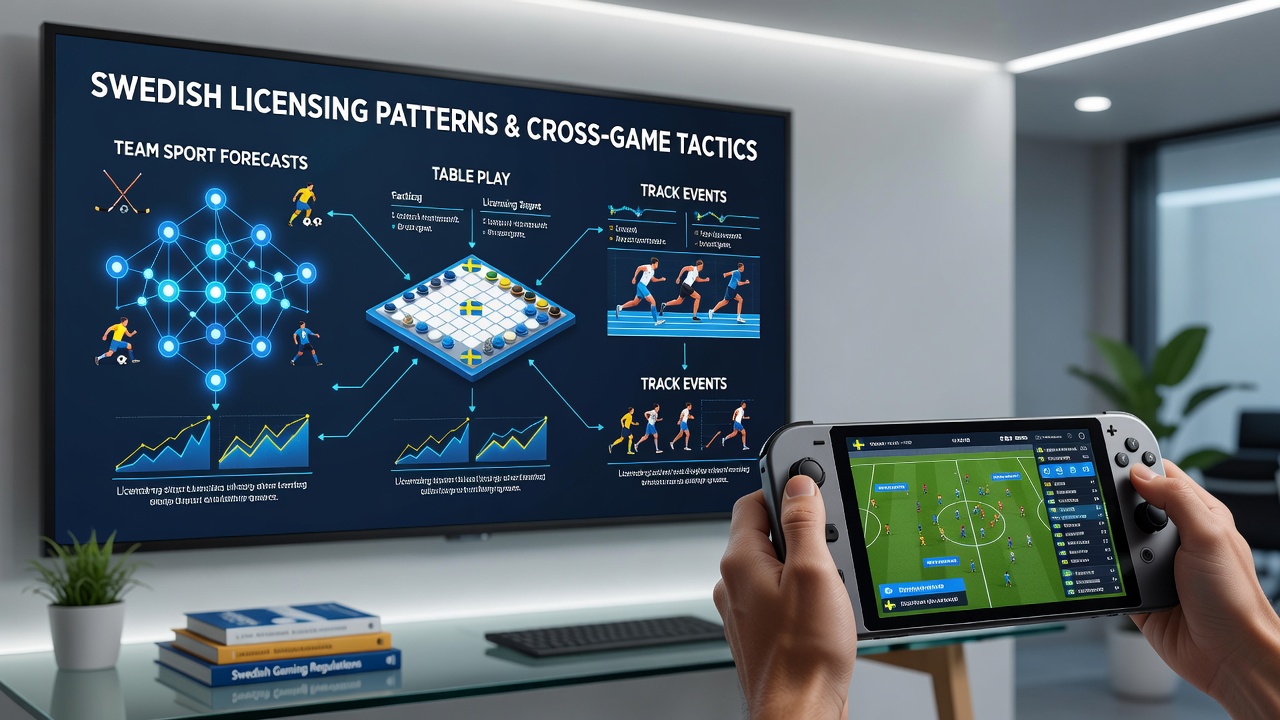
Swedish Licensing Patterns and Their Role in Shaping Cross-Game Tactics for Team Sport Forecasts, Table Play, and Track Events on Handheld Platforms
Swedish licensing patterns have evolved through a series of regulatory adjustments that tie operator approvals to specific performance standards across multiple game categories, and these patterns now guide how developers integrate forecasting tools for team sports with table play mechanics and track event simulations on handheld devices. Data from industry reports shows that license renewals often require operators to demonstrate cross-category compatibility, which in turn shapes the algorithms used for real-time predictions in football matches, poker hand evaluations, and horse racing outcomes.
Core Elements of Swedish Licensing Patterns
Licensing authorities in Sweden evaluate applications based on technical compliance metrics that include data security protocols, responsible gaming features, and seamless integration across game types, while operators must submit evidence of how their platforms handle forecasts for team-based events alongside table games and track competitions. According to figures from the European Gaming and Betting Association, license holders operating in October 2026 face renewed scrutiny on mobile performance benchmarks, prompting adjustments in how prediction engines process inputs from different sports and gaming formats.
Those who've studied these patterns note that renewal cycles emphasize unified user interfaces, and this requirement pushes companies to build shared tactical frameworks where team sport forecasts draw on similar data streams as table play analytics and track event modeling. Research indicates that such frameworks reduce development costs while meeting the transparency demands embedded in licensing conditions.
Influence on Team Sport Forecasts
Operators holding Swedish licenses adapt forecasting models for team sports by incorporating variables from other licensed categories, and this cross-pollination appears in mobile apps that let users toggle between live football statistics and integrated probability calculations. Studies from academic sources such as those published by the University of Nevada Gaming Research Center reveal that license conditions encourage the use of standardized APIs, allowing team sport predictions to pull contextual data from table game histories or track performance records.
One documented case involved a major platform that aligned its basketball forecast module with poker probability tables to improve accuracy during overlapping events, and this approach satisfied the cross-game functionality clauses present in current licensing agreements. Handheld platforms benefit because these alignments optimize battery usage and data transfer rates during simultaneous sessions.
Adaptations for Table Play and Track Events
Table play tactics on licensed Swedish platforms incorporate predictive elements borrowed from track event modeling, and this blending occurs because licensing patterns mandate consistent risk assessment tools across all verticals. Data shows that roulette or blackjack interfaces on mobile devices now embed probability overlays derived from racing analytics, creating a unified tactical layer that users access through single-tap navigation.
Track events, including virtual and real horse or greyhound racing, see similar adjustments where forecast accuracy improves through shared machine learning models trained on team sport datasets. Observers note that these models help operators maintain compliance with licensing requirements for fair play verification, especially as mobile traffic peaks during multi-event days in October 2026.
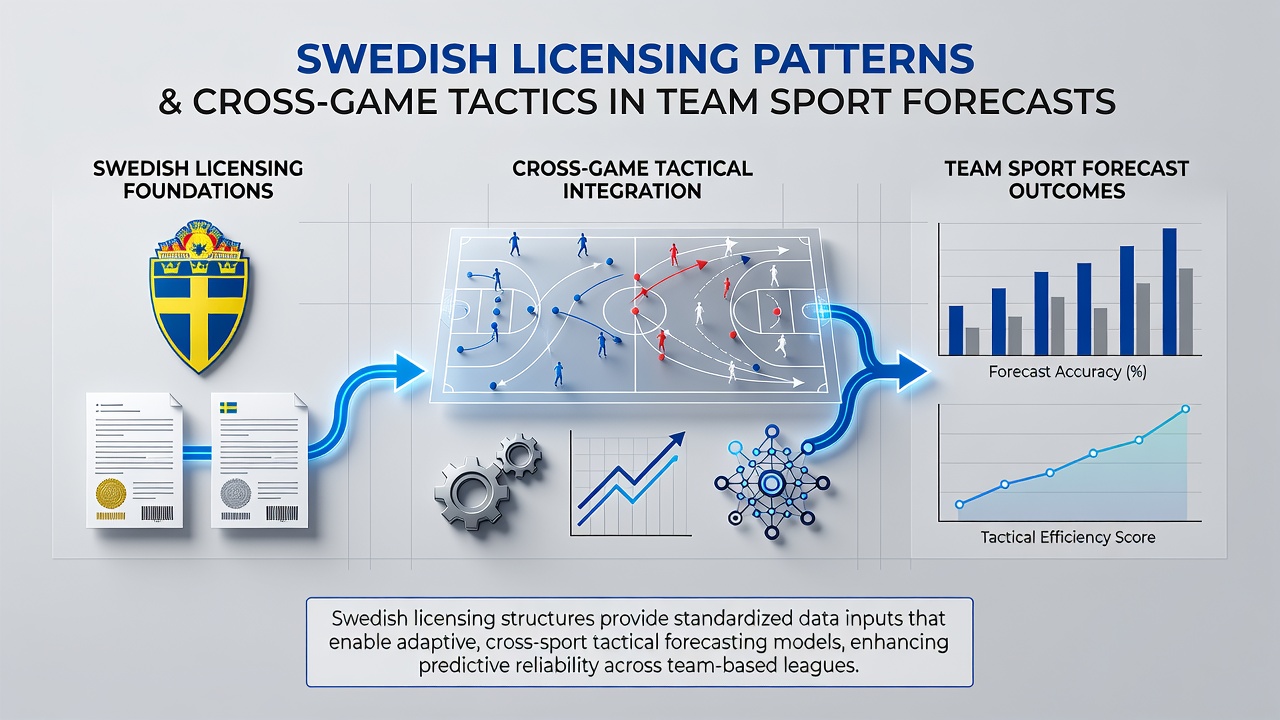
Handheld Platform Implementation
Handheld devices serve as the primary delivery channel for these integrated tactics, and Swedish license conditions explicitly reference mobile performance standards that include latency thresholds and cross-game synchronization. Developers respond by designing modular codebases where a single prediction engine serves team sport forecasts, table play simulations, and track event projections without separate downloads or excessive memory loads.
Industry reports from the Canadian Gaming Association highlight how similar regulatory approaches in other markets have accelerated mobile adoption, and Swedish patterns follow comparable trajectories by rewarding operators who demonstrate efficient resource allocation across categories. This results in apps that maintain consistent user experiences whether the focus lies on live team matches or simulated table sessions.
Conclusion
Swedish licensing patterns continue to steer the development of cross-game tactics by linking approval and renewal processes to technical interoperability across team sport forecasts, table play, and track events on handheld platforms. Evidence from regulatory filings and market analyses shows measurable shifts in how operators structure their mobile offerings to satisfy these interconnected requirements, and the pattern is expected to persist through October 2026 and beyond.